About Tyrosine
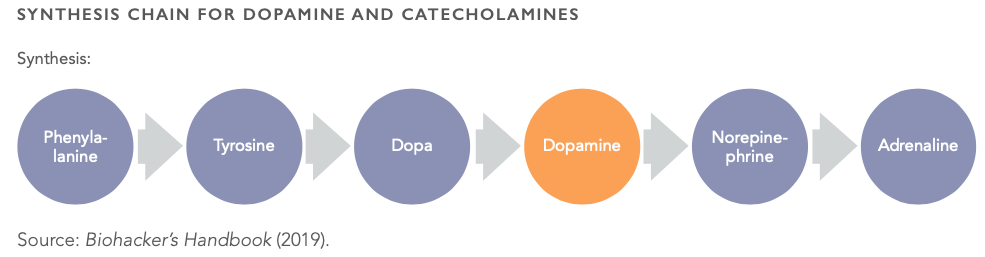
Tyrosine is a conditionally essential amino acid. The body can synthesize it from phenylalanine) Tyrosine crosses the blood-brain barrier and therefore acts as an important raw material for catecholamines such as dopamine, adrenaline and noradrenaline. Tyrosine is one of the most important amino acids in the body and is found in many protein foods such as meat and chicken eggs.
Tyrosine also has many important bodily functions, including the synthesis of proteins and other crucial substances. Tyrosine is a precursor for the catecholamine hormones (such as adrenaline) and neurotransmitters, specifically epinephrine and noradrenaline, and dopamine, an important chemical for executive functions in the brain such as motivation, reward and reinforcement. Tyrosine is also involved in the production of thyroid hormones for the regulation of metabolism and growth and in the production of melanin, the pigment found in the skin, hair and eyes.
Mouse studies have shown that intake of tyrosine supplements helps to correct stress-induced thyroid hormone deficiency. Tyrosine has also been found to relieve stress-related symptoms associated with severe weather conditions and to help survive the cold. Tyrosine may also alleviate cognitive impairment and depressive mood in acute distress. Tyrosine improves cognitive function and physical performance during sleep deprivation. Moreover, rat studies have shown that it can decrease cortisol or stress hormone levels in acute stress.
Athletes have higher needs for protein than sedentary people and both quality and quantity of protein are important. Athletes’ intake of essential amino acids, including phenylalanine, the precursor of tyrosine, needs adequate energy intake and exercise to support muscle growth, maintenance and repair. There is no scientific evidence in sports that tyrosine improves physical performance, strength or anaerobic power. However, it appears to be effective in preserving attention under stress.
The best dietary sources of tyrosine are parmesan cheese, spirulina, lamb, beef, game, pork, salmon, seafood, chicken and turkey, pumpkin seeds and many legumes.
Biostarks reference ranges for tyrosine
- Tyrosine (Tyr-S): 45-180 umol/L
Scientific references:
- National Center for Biotechnology Information (2021). PubChem Compound Summary for CID 6057, Tyrosine.
- Wang, Z. et al. (2012). L-tyrosine improves neuroendocrine function in a mouse model of chronic stress. Neural Regeneration Research 7 (18): 1413–1419.
- Deijen, J. & Wientjes, C. & Vullinghs, H. & Cloin, P. & Langefeld, J. (1999). Tyrosine improves cognitive performance and reduces blood pressure in cadets after one week of a combat training course. Brain Research Bulletin 48 (2): 203–209.
- Banderet, L. & Lieberman, H. (1989). Treatment with tyrosine, a neurotransmitter precursor, reduces environmental stress in humans. Brain Research Bulletin 22 (4): 759–762.
- Deijen, J. & Wientjes, C. & Vullinghs, H. & Cloin, P. & Langefeld, J. (1999). Tyrosine improves cognitive performance and reduces blood pressure in cadets after one week of a combat training course. Brain Research Bulletin 48 (2): 203–209.
- Neri, D. et al. (1995). The effects of tyrosine on cognitive performance during extended wakefulness. Aviation Space and Environmental Medicine 66 (4): 313–319.
- Reinstein, D. & Lehnert, H. & Wurtman, R. (1985). Dietary tyrosine suppresses the rise in plasma corticosterone following acute stress in rats. Life Sciences 37 (23): 2157−2163.
- Patel, K. (2021). L-tyrosine. Examine.com. <https://examine.com/supplements/l-tyrosine/>
- NutritionData (2018). Foods highest in tyrosine. <https://nutritiondata.self.com/foods-000087000000000000000.html>