Optimal blood sugar management
Blood sugar regulation: the single most important factor in energy management
The main physiological mechanism affecting the stability and general alertness during the working day is regulating blood sugar. Maintaining a stable blood sugar level by refraining from overeating, continuous snacking and frequent meals is key to productivity and clarity of mind.
Constant spikes and crashes in blood sugar are a significant factor in mood swings. Hypoglycemia (low blood sugar) can cause anxiety, irritability, and edginess, usually preceded by a significant drop in cognitive performance. Conversely, for diabetics, a high level of blood sugar is associated with impaired cognitive performance and negative moods. Blood sugar can reach a low level even in healthy individuals, for example, due to prolonged exercise or fasting.
The activation of hunger signals is not necessarily preceded by a hypoglycemic (physiologically low) blood sugar level – usually, the sensation of hunger and the urge to eat is triggered by a rapid decrease in blood sugar. Thus, maintaining a constant blood sugar reduces hunger and helps achieve a stable state of alertness throughout the working day.
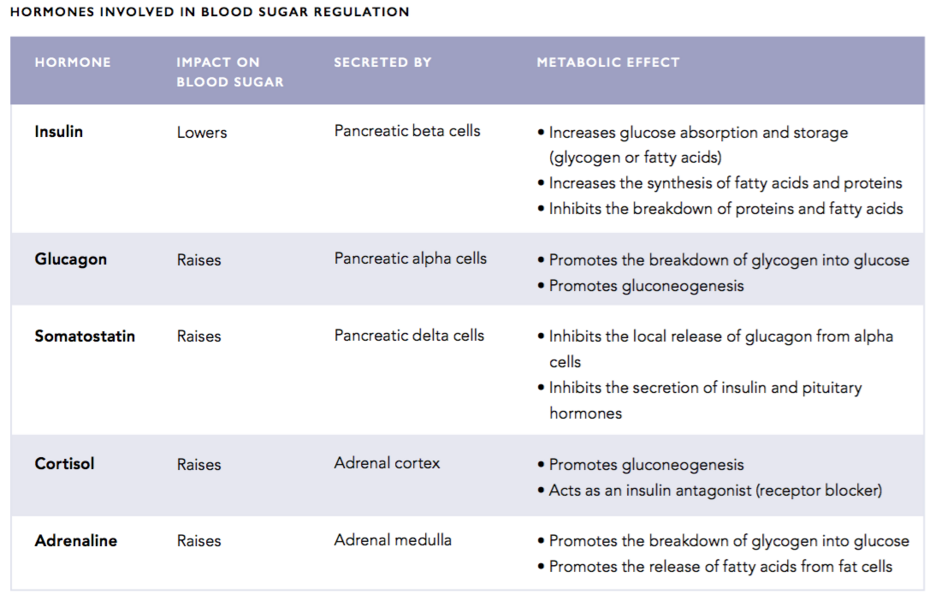
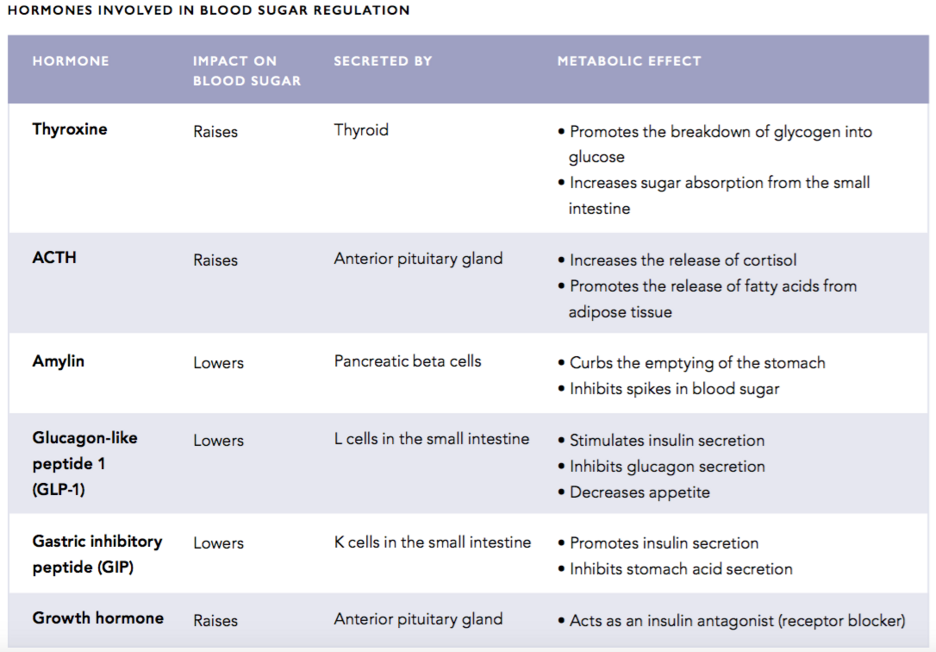
HORMONES INVOLVED IN BLOOD SUGAR REGULATION
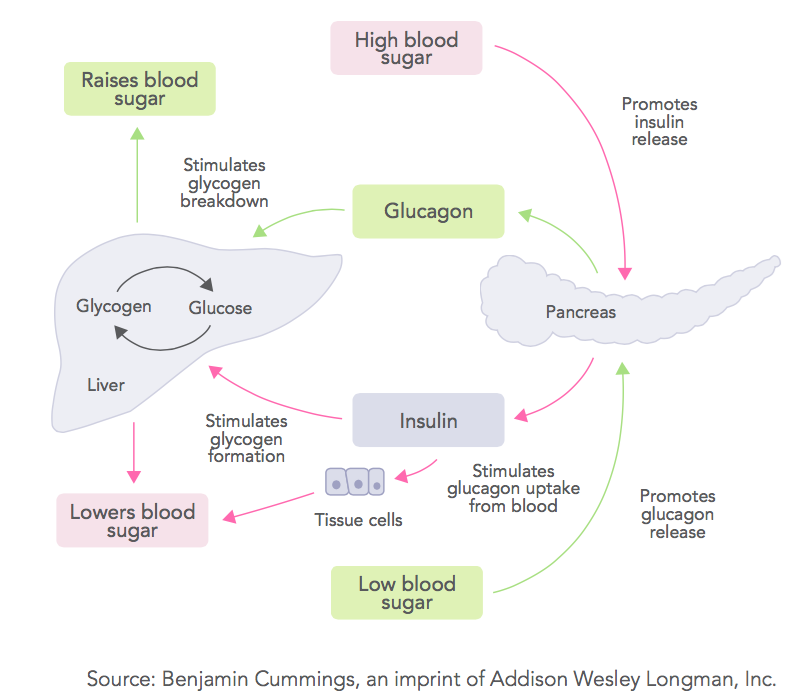
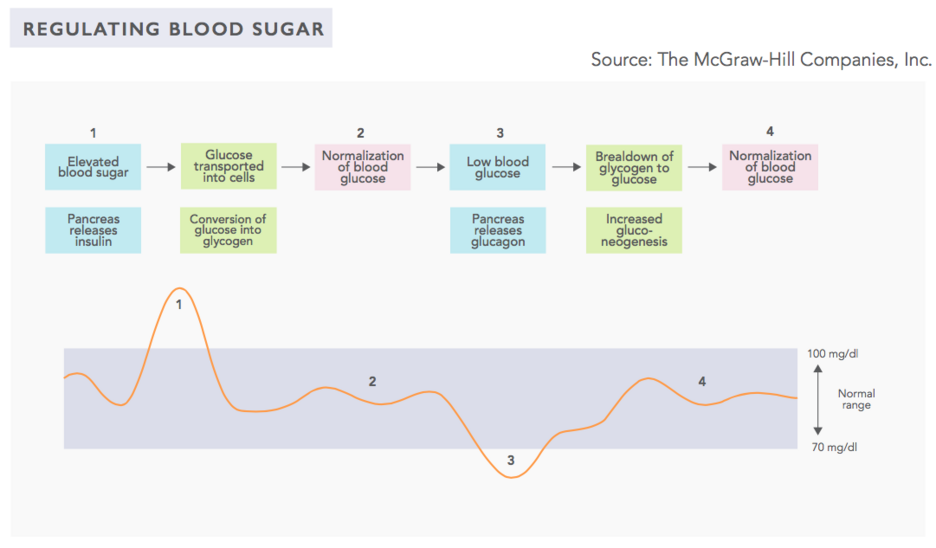
The body's blood sugar regulation mechanism is sophisticated and involves several hormones secreted by internal organs (see the table on the following pages). The blood sugar level is regulated by a negative feedback system – this system seeks to bring the body into a state of systemic homeostasis, i.e. a state of equilibrium.
When the blood sugar level is high, pulsations of hormones such as insulin are secreted into the circulation, lowering the blood sugar level. Conversely, when the blood sugar level is low, glucagon and other hormones are secreted into the circulation to raise the blood sugar level. Systemic blood sugar level monitoring occurs in the beta cells of the islets of Langerhans in the pancreas and the glucose-sensing neurons of the hypothalamus in the brain.
FOODS AND SUPPLEMENTS THAT HELP REGULATE BLOOD SUGAR LEVELS
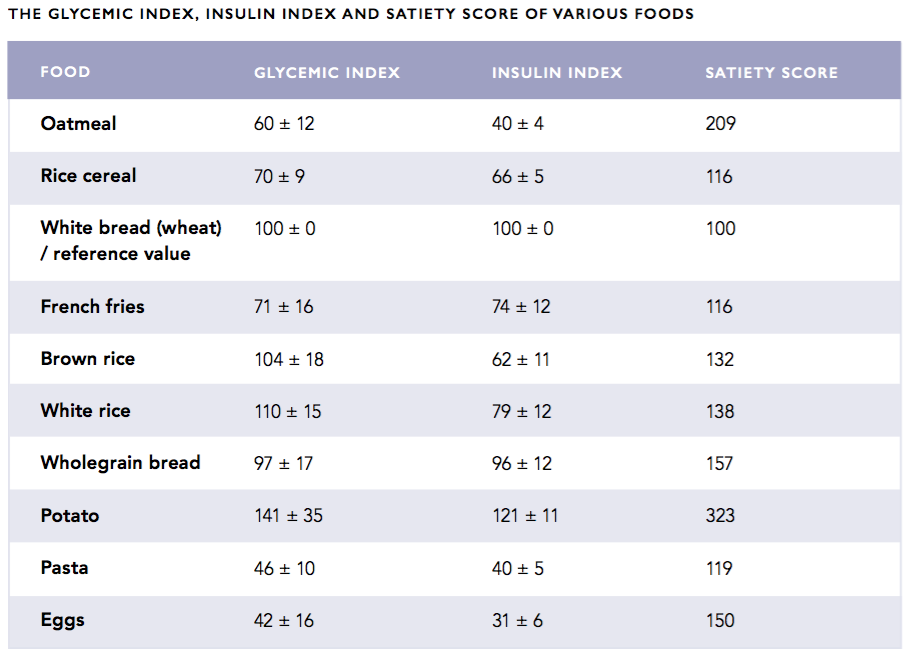
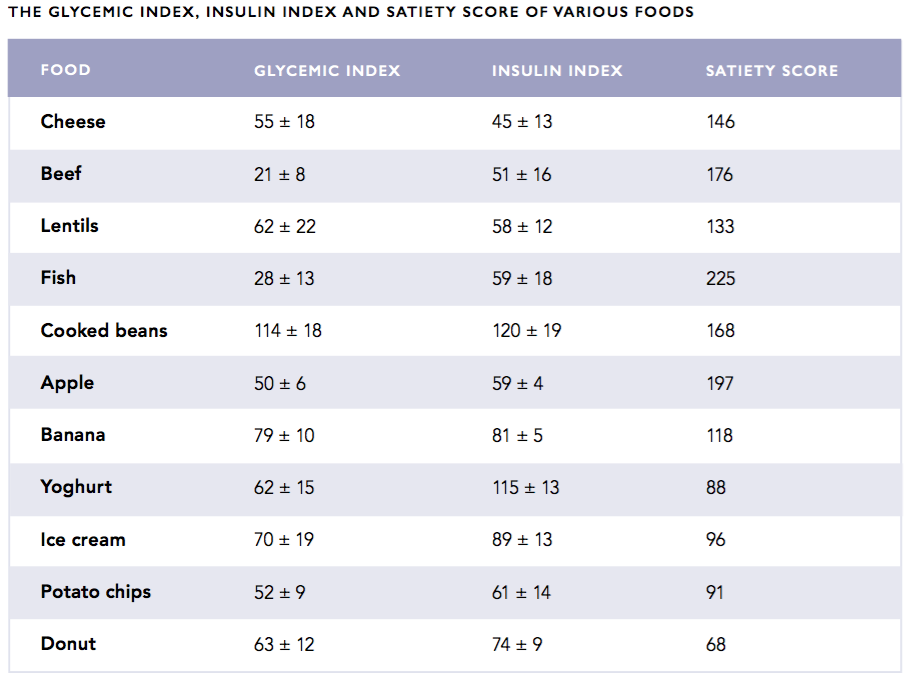
The effects of various foods on blood sugar have conventionally been described using the glycemic index (GI). It represents the change in blood sugar caused by the food compared to a reference value (glucose solution). Conversely, the glycemic load (GL) indicates the meal's total effect on blood sugar. The concepts of GI and GL were originally developed for diabetics. There have also been attempts to apply them to treating other health problems (such as cancer and heart diseases) with conflicting results. The GI and GL have been criticized for not considering individual variation and food-induced insulin response. Also, the glycemic response triggered by a meal of various ingredients cannot be reliably estimated.
However, an insulin index has been developed to represent food's effect on insulin secretion best. So far the insulin index has received little attention although it appears to be useful to type 1 diabetic who has previously been accustomed to estimating and counting the number of dietary carbohydrates. The satiety score can be used along with the insulin index. It represents the sensation of satiety yielded by a specific food. For example, potatoes have a high insulin index of 121, however, their satiety score is also very high at 323 (see the table below).
A low GI diet is often recommended for individuals focused on weight loss. However, the glycemic index alone appears to have little impact on weight loss compared to other diets of the same calorie content. According to studies, a diet with a consistently high glycemic load is associated with a higher level of silent inflammation. Conversely, the Mediterranean diet with a low glycemic load is quite effective in reducing obesity, insulin resistance, high blood pressure, and high cholesterol, at least in women suffering from metabolic syndrome according to one study.
A diet of foods with a fairly low glycemic load and insulin index represents the preferred option for both health and mental alertness. Foods with a high insulin index should be consumed after exercise to replenish the glycogen reserves in the muscles and liver with insulin.
REGULATING BLOOD SUGAR WITH FOOD
Cinnamon is a spice derived from plants of the genus Cinnamomum. Cinnamon sold in Europe is usually Chinese (cassia) cinnamon (Cinnamomum cassia, Cinnamomum aromaticum) that contains coumarin which is toxic to the liver and kidneys when consumed in large quantities.
There are numerous varieties of cinnamon worldwide with significant variation in the coumarin content. Consuming cinnamon as tea is a traditional way to use it. This method also significantly reduces coumarin intake. The toxicity of coumarin varies between individuals. It is linked to the ability of the genetic variant CYP2A6 to act as part of the liver’s cytochrome P450 system.
The properties of cinnamon that help regulate blood sugar and insulin sensitivity are strongly linked to its high chromium content as well as the effects of polyphenols and volatile polymers. Depending on the study design and dose used, cinnamon lowers the fasting blood sugar levels by 10–29 %. A typical recommended daily amount is 1–6 grams. When deciding on the amount to use, it is recommended you consider your genetic background (CYP2A6 polymorphism), goals and any potential interactions with medicinal products.
The effects of many performance-boosting herbs and so-called smart drugs are often also associated with blood sugar regulation. For example, according to a meta-analysis from 2014, ginseng root has been found to help lower fasting blood sugar levels.
Foods and spices that help balance blood sugar:
(❤❤❤) are the most effective.
- Cinnamon (❤❤❤)
- Bilberry
- Garlic
- Sour cherry
- Apple cider vinegar (❤❤❤)
- Coffee
- Chia
- Caraway
- Ginger (❤❤❤)
- Shiitake mushroom
- Lemon
- Turmeric (❤❤❤)
- Cacao (and dark chocolate)
Supplements and remedies that help balance blood sugar:
- Chromium (❤❤❤)
- Vitamin D
- Alpha-lipoic acid (❤❤❤)
- Reishi
- Maitake (❤❤❤)
- Chaga (❤❤❤)
- Cordyceps
- Psyllium
- MCT oil
- Gymnema Sylvestre (❤❤❤)
- Bitter melon (❤❤❤)
- Prickly pear cactus
- Fenugreek
- Purslane
- Banaba leaf
- Milk thistle
- Resveratrol
- Magnesium (❤❤❤)
- Panax ginseng (❤❤❤)
- Berberine (❤❤❤)
- Green tea (❤❤❤)
- Coriander
- Vanadyl sulfate
BLOOD SUGAR BALANCING RECIPES
BLOOD SUGAR BALANCING COCKTAIL
To be consumed approx. 30 minutes before a high-carbohydrate meal.
- 100–300 mg alpha-lipoic acid
- 50–100 mg chromium
- 500–1000 mg berberine
- 200–400 mg EGCG (green tea extract)
- 50 mg resveratrol
- 100 mg magnesium malate
BLOOD SUGAR REBALANCING SMOOTHIE
- 2 tbsp apple cider vinegar (look for a product with sediment at the bottom of the bottle)
- 1–2 tsp cinnamon
- 1–2 dL (1⁄2–1 cup) blueberries
- 2 small garden apples
- 2 cm (1-inch) piece of ginger
- 1 tbsp chia seeds (soaked)
- 1 tsp turmeric powder
- 1–2 tsp raw honey
- 1 tbsp MCT oil or virgin coconut oil
- a pinch of unrefined sea salt
- 3–4 dL (1.25–1.75 cups) spring water or purified water
Cut up an apple and remove the core. Peel and cut up a piece of ginger. Place all ingredients in a blender and blend until smooth. Sip slowly.