Measuring blood sugar regulation
MEASURING THE REGULATION OF BLOOD SUGAR IN A LABORATORY SETTING
The main physiological mechanism affecting the stability and general alertness during the day is regulating blood sugar. Maintaining a constant blood sugar level by refraining from overeating, continuous snacking and frequent meals is key to productivity and mind clarity.
Constant spikes and crashes in blood sugar are significant factors in mood swings. Hypoglycemia (low blood sugar) can cause anxiety, irritability, and edginess, usually preceded by a significant drop in cognitive performance. Conversely, for diabetics, a high level of blood sugar is associated with impaired cognitive performance and negative moods. Blood sugar can reach a low level even in healthy individuals, for example, due to prolonged exercise or fasting.
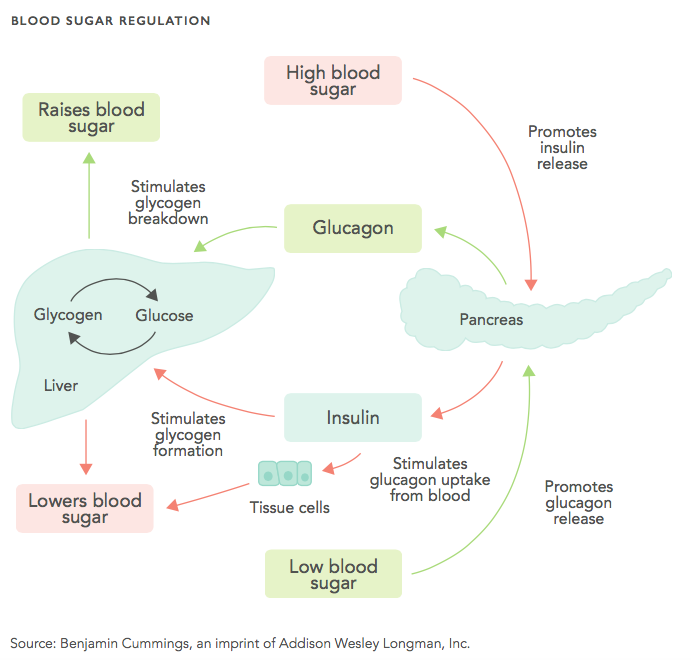
The body's blood sugar regulation mechanism is a sophisticated system affected by several hormones secreted by internal organs. The blood sugar level is regulated by a so-called negative feedback system – this system seeks to bring the body into a state of systemic homeostasis, i.e., a stable equilibrium.
When the blood sugar level is high, pulsations of hormones such as insulin are secreted into the circulation, lowering the blood sugar level. Conversely, when the blood sugar level is low, glucagon and other hormones are secreted into the circulation to increase the blood sugar level.
The systemic blood sugar level monitoring occurs in the beta cells of the islets of Langerhans in the pancreas and the glucose-sensing neurons of the hypothalamus in the brain.
For more information regarding blood sugar regulation, see the Work chapter of the Biohacker’s Handbook.