Luteinizing hormone
LUTEINIZING HORMONE (LH)
Luteinizing hormone (LH) is produced in the pituitary gland. It regulates the menstrual cycle in women and stimulates testosterone production in men. In men, high testosterone levels trigger negative feedback to the pituitary gland and hypothalamus, reducing LH secretion in the testicles. In women, LH stimulates ovulation and the production of estrogen and progesterone during the menstrual cycle.
Low LH levels are usually caused by disorders in the pituitary gland or hypothalamus. The external use of testosterone (for example by bodybuilders) also reduces LH production in the body. Low LH levels in men may cause infertility. In women, they may cause impaired corpus luteum development and reduced estrogen secretion. High LH levels may occur in connection with ovarian or testicular hyperplasia, tissue trauma, radiation, autoimmune disease, chemotherapy or mumps. Excessively high LH levels may cause infertility in women.
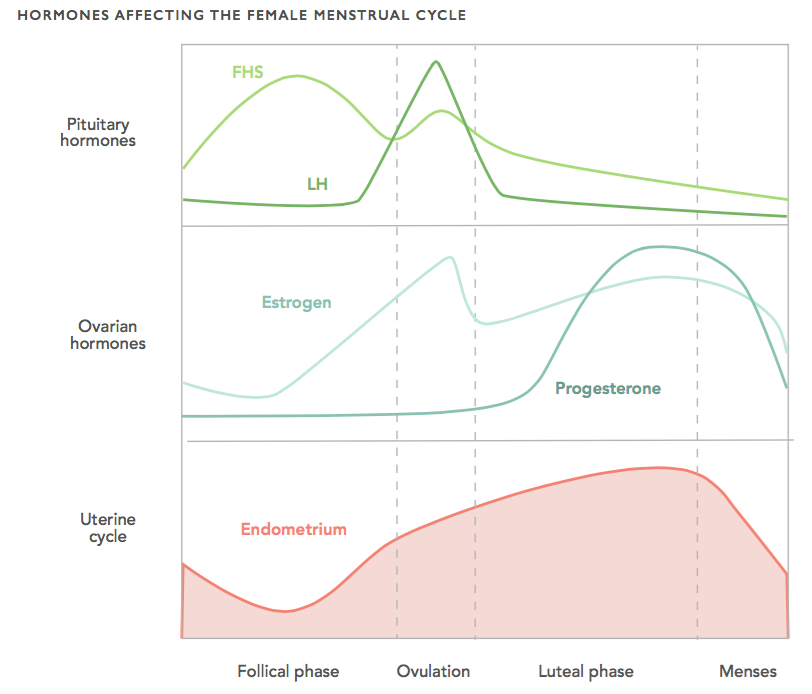
Reference ranges for luteinizing hormone (LH):
Women:
- Follicular phase: 3.0–12 IU/L
- Peak ovulation: 15–80 IU/L
- Luteal phase: 2.5–10 IU/L
- Post-menopause: 20–80 IU/L
Men:
- Aged under 50: 2.5–7.0 IU/L
- Aged 50+: 2.5–12 IU/L
N.B.! Exceptionally low or high LH levels should always be checked by a physician. They may require medical treatment and further investigation of the underlying medical causes.
Chronic stress is a known factor contributing to low testosterone, LH and FSH levels in men and infertility associated with these. When under stress, the overactive HPA axis causes excessively high glucocorticoid secretion (including cortisol), inhibiting the HPG axis's activity (hypothalamus-pituitary–genitals). This is why lifestyle factors focusing on alleviating chronic stress may also help normalize hormone levels.