HDL-Cholesterol
HDL CHOLESTEROL
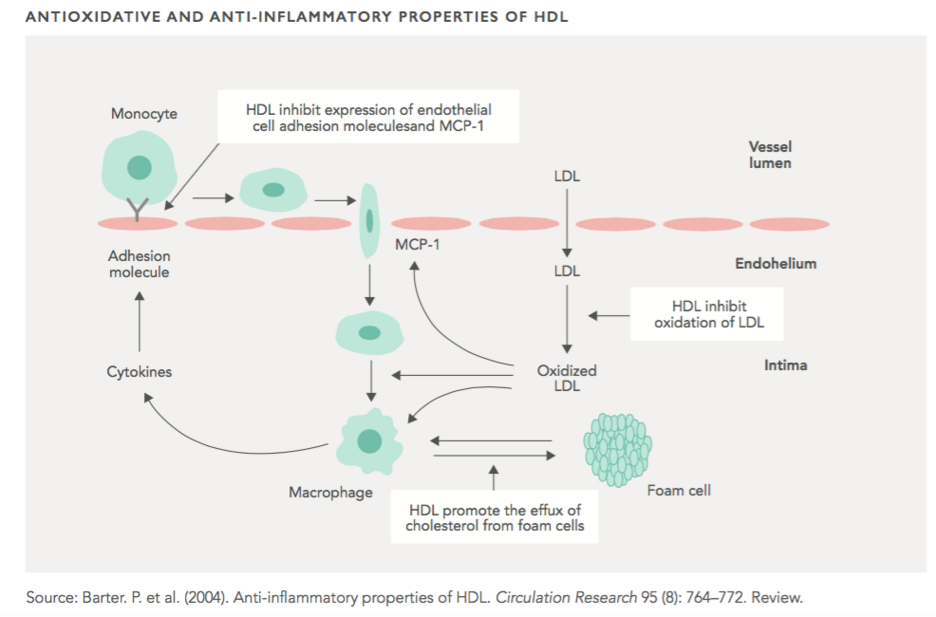
High-density lipoprotein (HDL) cholesterol is a group of lipoproteins that carry cholesterol around the body. HDL cholesterol consists mostly of protein with a small amount of cholesterol. Approximately 20 % of the serum cholesterol is bound to HDL. HDL is considered the “good” cholesterol because it removes excess cholesterol from the blood and transports it back to the liver for destruction or recycling. Both LDL cholesterol and HDL cholesterol are vital for optimal cholesterol transportation. Elevated HDL cholesterol levels in the blood are often linked to plaque build-up in the minor blood vessels, reducing the risk of cardiac arrest or stroke. At the core of HDL cholesterol’s effect in preventing cardiovascular diseases is its ability to receive cholesterol from phagocytic cells (macrophages) associated with inflammation (see image).
Low HDL cholesterol levels are commonly associated with coronary artery disease, type 2 diabetes, uremia, hypertriglyceridemia, or menopause. A sedentary lifestyle, smoking, and obesity reduce HDL levels. Factors that increase HDL cholesterol include high-quality fat (such as olive oil) consumption, exercise, and a low-carbohydrate diet including fish, polyphenols, fibers, and omega-3 fatty acids. In terms of carbohydrate intake, sugar, in particular, has been linked to low HDL cholesterol levels.
HDL cholesterol indicates how much cholesterol is bound to HDL proteins. HDL cholesterol has been found to have anti-inflammatory effects in the body due to its ability to regulate macrophages. These anti-inflammatory and antioxidative effects (inhibiting LDL oxidation) help explain HDL's ability to protect the body from atherosclerosis (see image). Ideally, HDL cholesterol levels should be sufficiently high enough to achieve the aforementioned effects.
However, high HDL cholesterol levels do not automatically indicate a lower risk of cardiovascular disease. This, as do many other things, depends partly on genetic factors. The endothelial lipase gene (LIPG) variant Asn396Ser carriers have high cholesterol levels, but no elevated risk of cardiac events such as heart attacks has been detected. Conversely, approximately 10 % of low HDL cholesterol levels cases can be attributed to a genetic mutation in genes APOA1, ABCA1 or LCAT. However, there is no clear evidence that low HDL cholesterol levels caused by genetic reasons increase the risk of cardiovascular disease or coronary thrombosis.