Factors affecting cortisol secretion
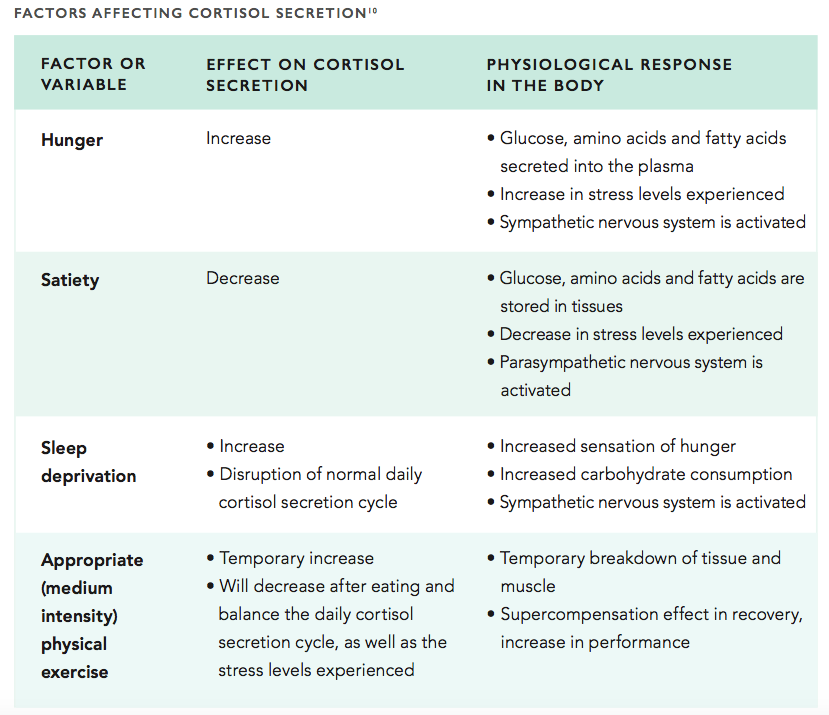
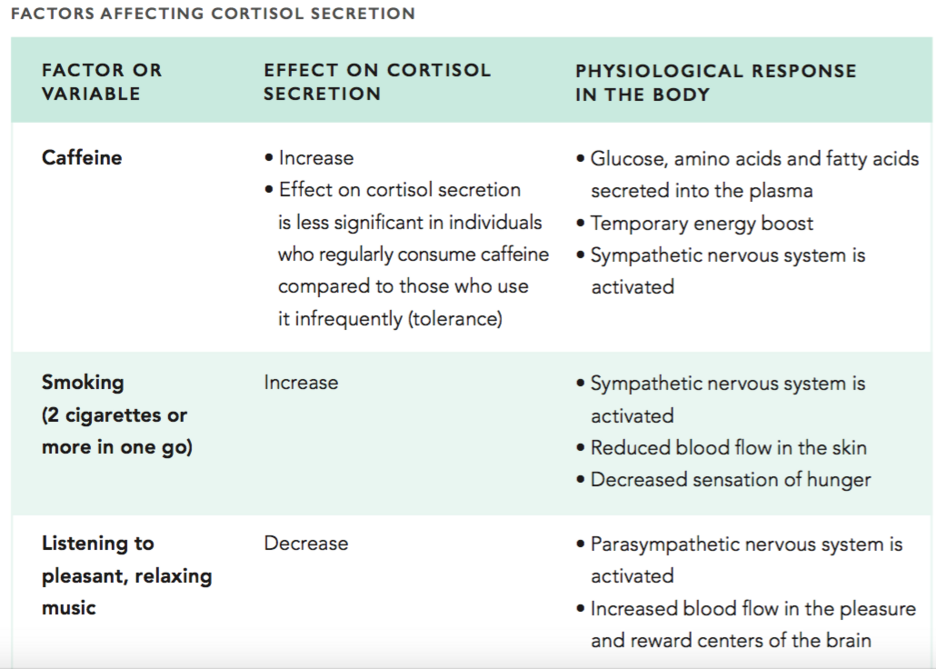
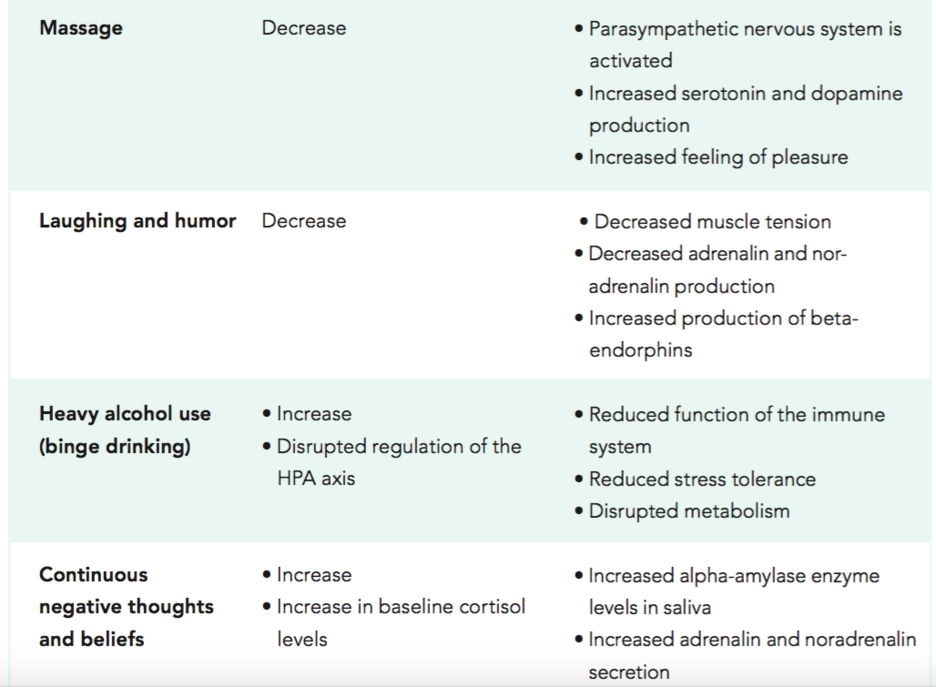
Moderately elevated cortisol levels are associated with obesity, various stressful situations (physical and psychological stress, depression, injury, surgery, and infections), heavy smoking and alcohol use, during pregnancy and when taking oral contraceptives (estrogens). Cushing’s syndrome involves very high cortisol levels. Low cortisol levels are associated with hypocortisolism either due to hypopituitarism or a tumor in the pituitary gland, thus inhibiting ACTH production. Adrenal insufficiency or damage to the adrenal gland may cause Addison’s disease, which involves low cortisol levels in the serum. Low cortisol levels are also often found in individuals using inhalable corticosteroids (for example for asthma).
Finnish reference ranges (serum cortisol):
- Morning values: 130–550 nmol/L
Ideally, the morning cortisol value should not be too high or too low. The optimal level is around the midway point of the reference range. Significant variation may occur in the morning cortisol values due to stress levels, sleep, exercise, and recovery. Most of the cortisol in the blood is bound to carrier proteins—only a small percentage is free and biologically active.