Complete blood count & hemoglobin
COMPLETE BLOOD COUNT
The complete blood count and thrombocytes (CBC) is one of the most common laboratory tests. It is routinely carried out when taking other basic blood tests. The complete blood count provides an overview of the various cells, hemoglobin, and platelets, or thrombocytes, in the blood. The complete blood count is typically carried out during routine check-ups and when investigating symptoms such as inflammation, fatigue, anemia or abdominal pain. Many types of medical treatments also require regular blood count monitoring.
HEMOGLOBIN (B-Hb)
Hemoglobin is an iron-rich protein molecule that binds oxygen and carries it from the lungs to tissues. One hemoglobin molecule can bind four oxygen molecules. Approximately one-third of red blood cells consist of hemoglobin, giving it its characteristic red color. Blood hemoglobin is often used as the primary laboratory test to determine the body's iron level.
A high level of hemoglobin may be a predisposing factor for blood clots. Potential reasons for a high hemoglobin level include polycythemia (bone marrow disorder), long-term stays at high altitudes, or pulmonary diseases that cause disruptions in blood oxidation.
Low hemoglobin leads to anemia that may cause various physical symptoms (such as fatigue, vertigo and breathlessness). Anemia may be caused by an iron, vitamin B12 or folate deficiency, bone marrow disorders, bleeding, kidney deficiency, pregnancy or breastfeeding, genetic and other functional issues or an increased breakdown of red blood cells.
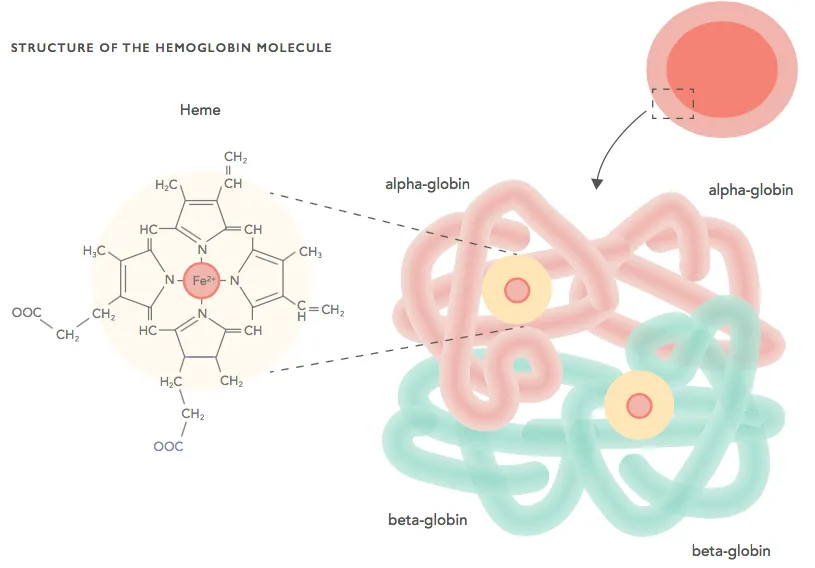
Iron has a critical role in forming the heme group in hemoglobin. Heme is a porphyrin ring surrounding a bivalent iron ion (see image). Hemoglobin consists of two alpha-globin and two beta-globin subunits and four heme compounds associated with these globins. One heme binds one oxygen molecule, therefore one hemoglobin molecule can carry four oxygen molecules. Hemoglobin contains approximately 3.5 mg of iron per molecule.
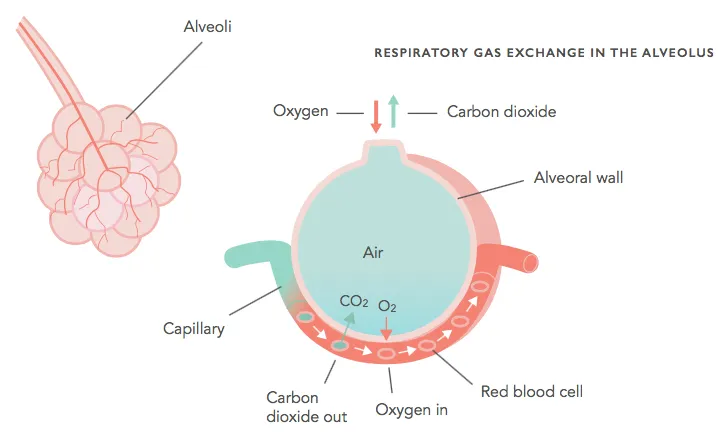
Respiratory gas exchange occurs in the alveoli where oxygen binds with the hemoglobin of red blood cells. The oxygen saturation (SaO2 %) of hemoglobin depends on the partial pressure of oxygen and carbon dioxide in the tissue, temperature, blood pH and carbon monoxide. The oxygen saturation level may also fall due to an illness (chronic obstructive pulmonary disease or asthma). Oxygen-saturated hemoglobin molecules are carried on to other tissues where the oxygen is released for use by various organs. Conversely, the carbon dioxide molecules of the “used” blood pass into the alveoli, on through the airways and out of the body.
Reference ranges (in Finland):
- Men: 134–167 g/l
- Women: 117–155 g/l
- Optimal, men: 140–160 g/l
- Optimal, women: 130–140 g/l
Hemoglobin in the optimal range is associated with the lowest risk of all-cause mortality. High hemoglobin is associated with high blood pressure in healthy individuals and metabolic syndrome in the elderly.